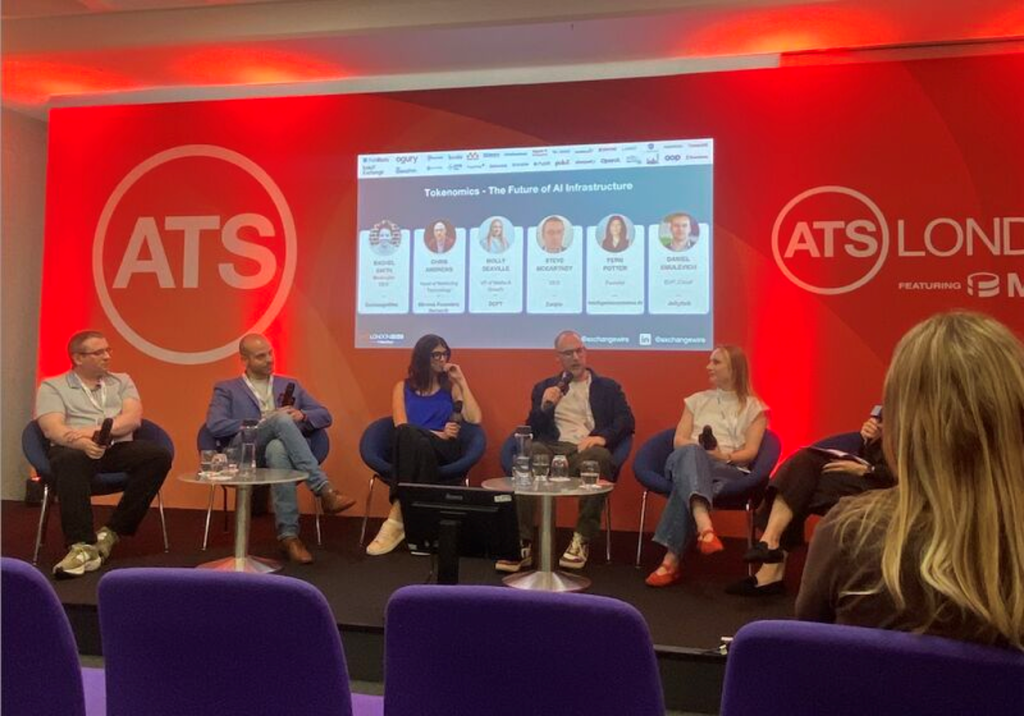

At last year’s CMO Forum we asked a room full of marketing and media leaders a simple question: what’s changing in your world? We weren’t after predictions, but twelve months on, a few of their answers look an awful lot like forecasts. The sessions were under the Chatham House Rule, so no names, but the points stand up on their own.
AI in marketing was about time, not headcount
One CMO was refreshingly clear about where AI helped: taking the repetitive grind out of the week, like batch processing e-commerce photography, so the creative team could focus on work that moves the business.That’s a far more useful way to judge AI adoption than counting tools. The real question is what happens to the hours you win back. If they get swallowed by more of the same, you’ve just built a faster hamster wheel. If they go into understanding customers better or testing the ideas stuck on the ‘one day’ list, that’s where the value is. If every team can produce more, producing more won’t make anyone stand out.
Brand trust starts with making people feel considered
Another leader described people growing tired of their inboxes, with AI and “fake personalisation” making it worse. They were heading back to events, in-person networking and even a branded notebook. It sounded nostalgic at the time. A year on, it looks durable.
Popping a first name at the top of an email means very little if the rest shows no idea who you’re talking to. We’ve all received them. Most of us have sent them (guilty). Attention has to feel earned, whether that’s in a room or an inbox.
AI search is changing how brands get discovered
The same conversation raised a question that deserves far more airtime: what happens to discovery when people just ask an AI assistant?
SEO hasn’t gone anywhere, but there’s a new layer on top. Someone exploring your category might get an answer that names you, recommends a competitor or leaves you out entirely. And you’d likely never know. This is where my own thinking has moved furthest.
Start with the questions customers ask before they know your name. Do you turn up as a relevant option, how accurately are you described, and what sources are backing the answer?
Fragmented audiences make brand consistency more valuable
One CMO described a younger audience finding their category through streaming and entertainment. A media leader described audiences scattering across subscriptions, short-form social and everything in between.Reach doesn’t live in one place anymore. What travels between those places is the brand. That doesn’t mean everything looks identical; that’s a guidelines document, not a brand. It means people recognise what you stand for wherever they bump into you.
Strong brands still depend on strong people
One leader’s priority was simply to build a category-leading brand and hire top talent. It’s the answer that has aged best. When everyone can produce competent work quickly, competent stops being a differentiator. Judgement and a genuine point of view are what’s left, and they come from people, not tools. Invest in the technology, by all means. Just invest in the people using it too.
What I am taking into this year’s forum
A year on, all of that still holds. I’d just add a much clearer view of how your brand shows up when AI is helping someone choose.
So, a few questions for the next conversation. What is AI actually freeing your team up to do? Where does your brand make people feel understood? And when someone asks for a recommendation in your category… are you part of the answer?